
The Art of the Pairing: Where Flavor Meets Harmony
ngày 13/05/2026 | 11:18 GMT + 7
We’ve explored the crisp elegance of White Wine and the bold structure of Red Wine. But the true magic happens when the cork is pulled and the first course is served. It would be a waste if wine is not enjoyed with delicious dishes.
In the world of hospitality, wine isn’t just a drink, it’s an ingredient that completes the dish. While taste is subjective, there are “unwritten rules” that help guests elevate their dining experience from good to unforgettable.
1. The Classic Divide: Red vs. White
The golden rule of European tradition remains a reliable compass: Red with Red, White with White.
1.1. Red Wine & Red Meat or Bold Flavors:
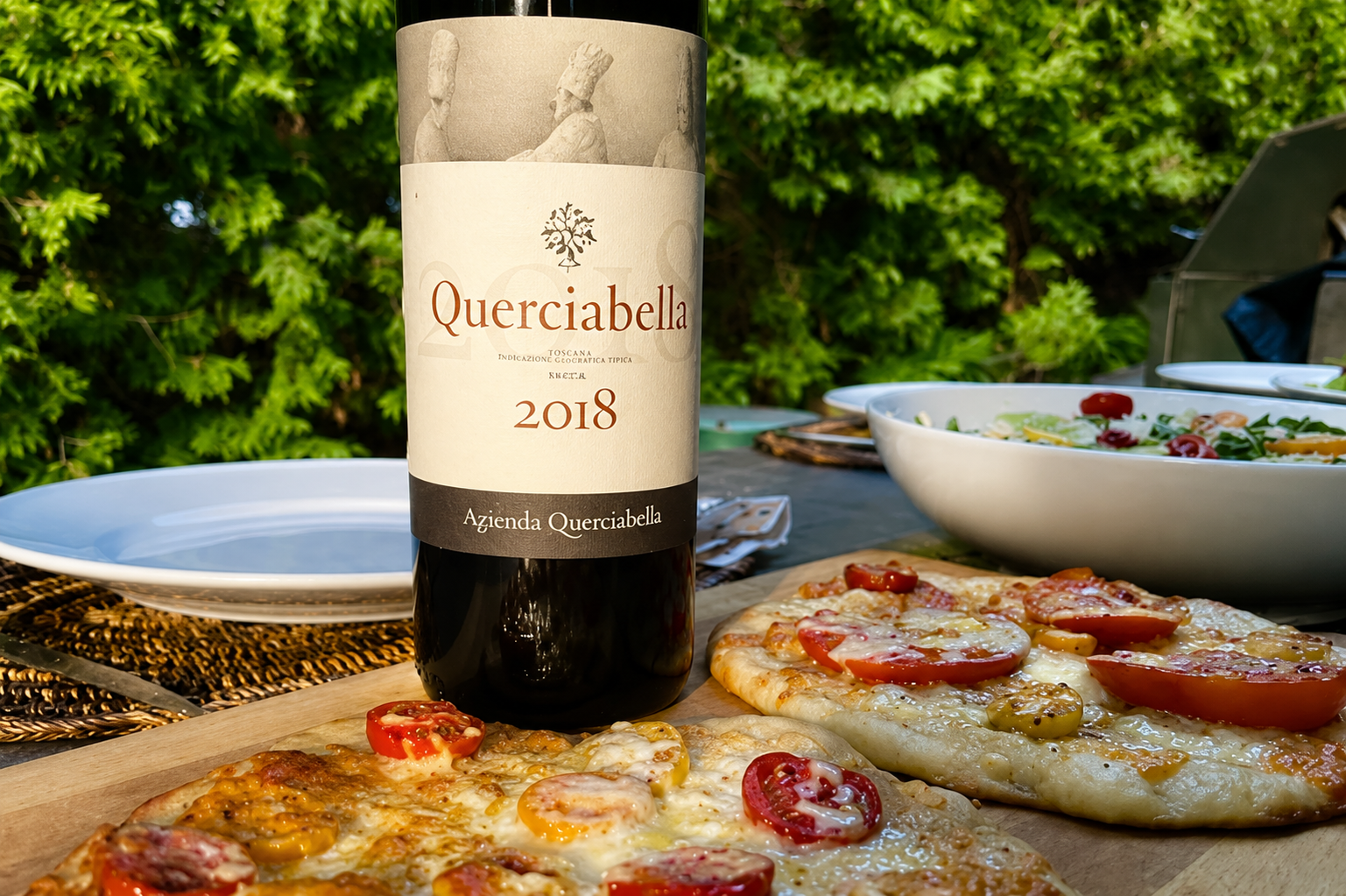
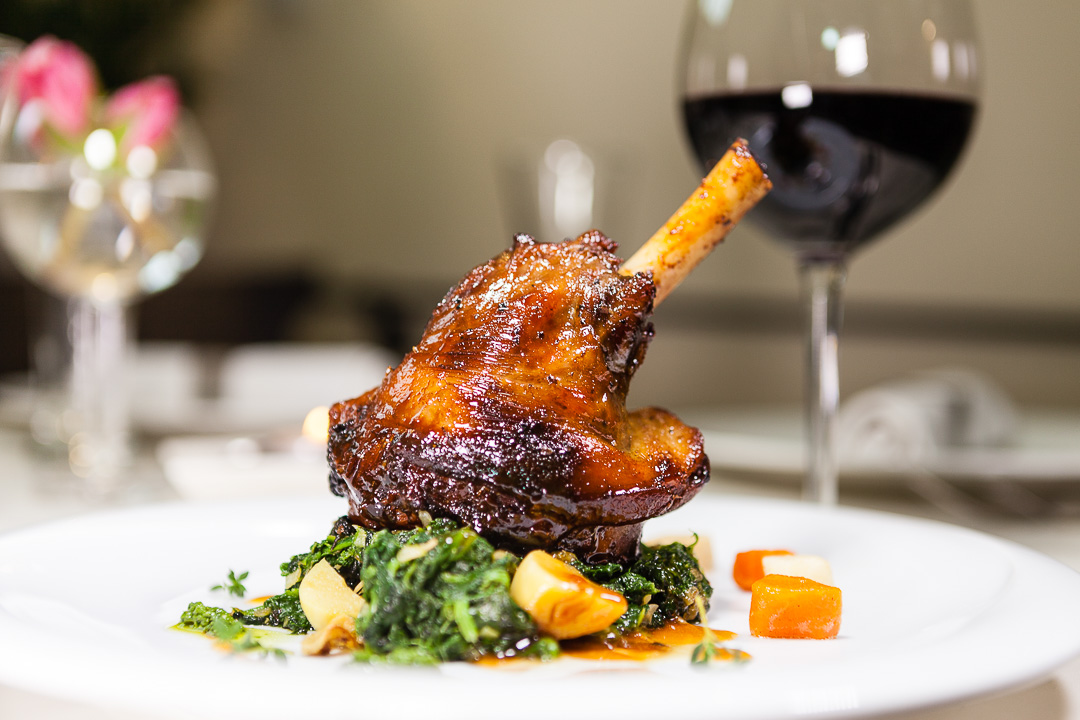
Red wines are the perfect partner for rich, fatty, and high-protein dishes like steak, lamb, roast duck, game or blue cheese. Why? The tannins in the wine act as a palate cleanser, cutting through the fat and balancing the intensity of the tanginess and gameyness.
1.2. White Wine & White Meat or Delicate Bites:
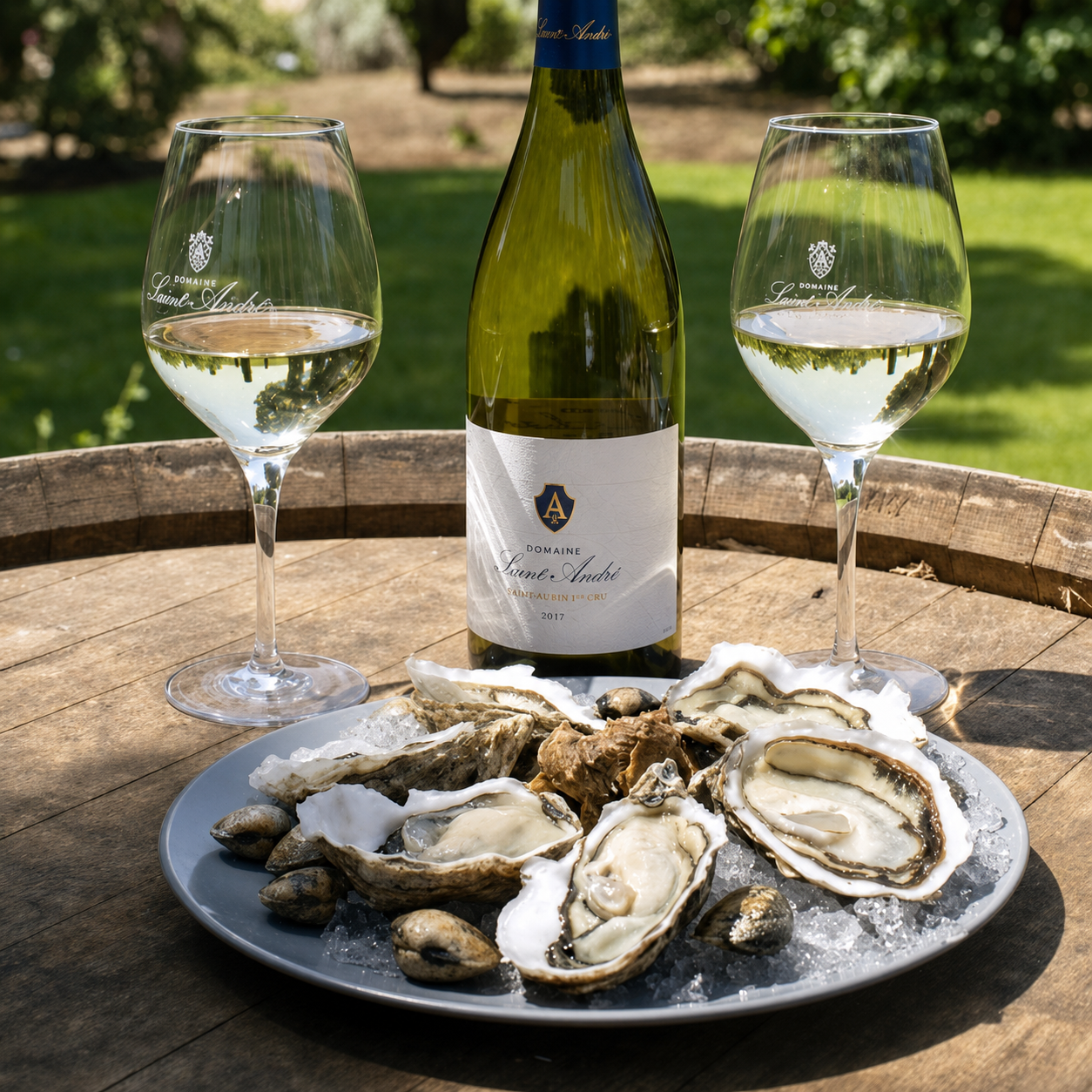
With its high acidity and bright profile, white wine shines alongside seafood (shrimp, crab, shellfish), salads, or light apéro. The acidity acts like a squeeze of lemon, naturally stimulating salivation and lifting the fresh flavors. White wine can go surprisingly well with creamy cheese like Brie or semi-hard cheese like Emmental. The buttery note of white can enhance the creamy flavor of these cheeses.
1.3. A more vegan-friendly choice?
We didn’t forget you, our vegan folks! Check out our guide on vegan food and wine pairing here to discover perfect matches with Soul Wine’s famous biodynamic and vegan winery, Querciabella
2. The “Grey Area”: The Pork “Dilemma”
Is pork white meat or red meat? In the culinary world, pork is a versatile chameleon.
If it’s seared with herbs with no or light sauce, reach for a crisp White Wine.
If it’s slow-smoked or stewed in a rich sauce, a medium-bodied Red Wine is the way to go.
Or this is where rosé can come in handy as a perfect match for pork since it is more structured than white but still fresher than red.
3. “What Grows Together, Goes Together”
When in doubt, look at the map. Regional pairing is a proven strategy for harmony:
A bold Gaia de Château Puybarbe is the ultimate “anti-cloy” companion for a heavy Beef Tenderloin or Duck Confit.
A Château La Coste Rosé will guarantee a good match with porc provençal (pork seared with herbs in Provence)
4. The Evolution of the Palate
They say: “Learn the rules before you can break them”. Now that we know the fundamentals of European cuisine, it’s time to move to the frontier of innovation of the palate.
Culinary today is, in fact, actively trying to break the boundaries of tradition. We are moving away from strict “black and white” rules and toward a more creative dining experience.
For example, some diners actually prefer Merlot (one of the lighter red) with seared salmon with deep smokey flavor. The slightly bodied red with light tannins helps cut through the fattiness of salmon and the smokiness of the sear, complemented by spices and dark berries notes.
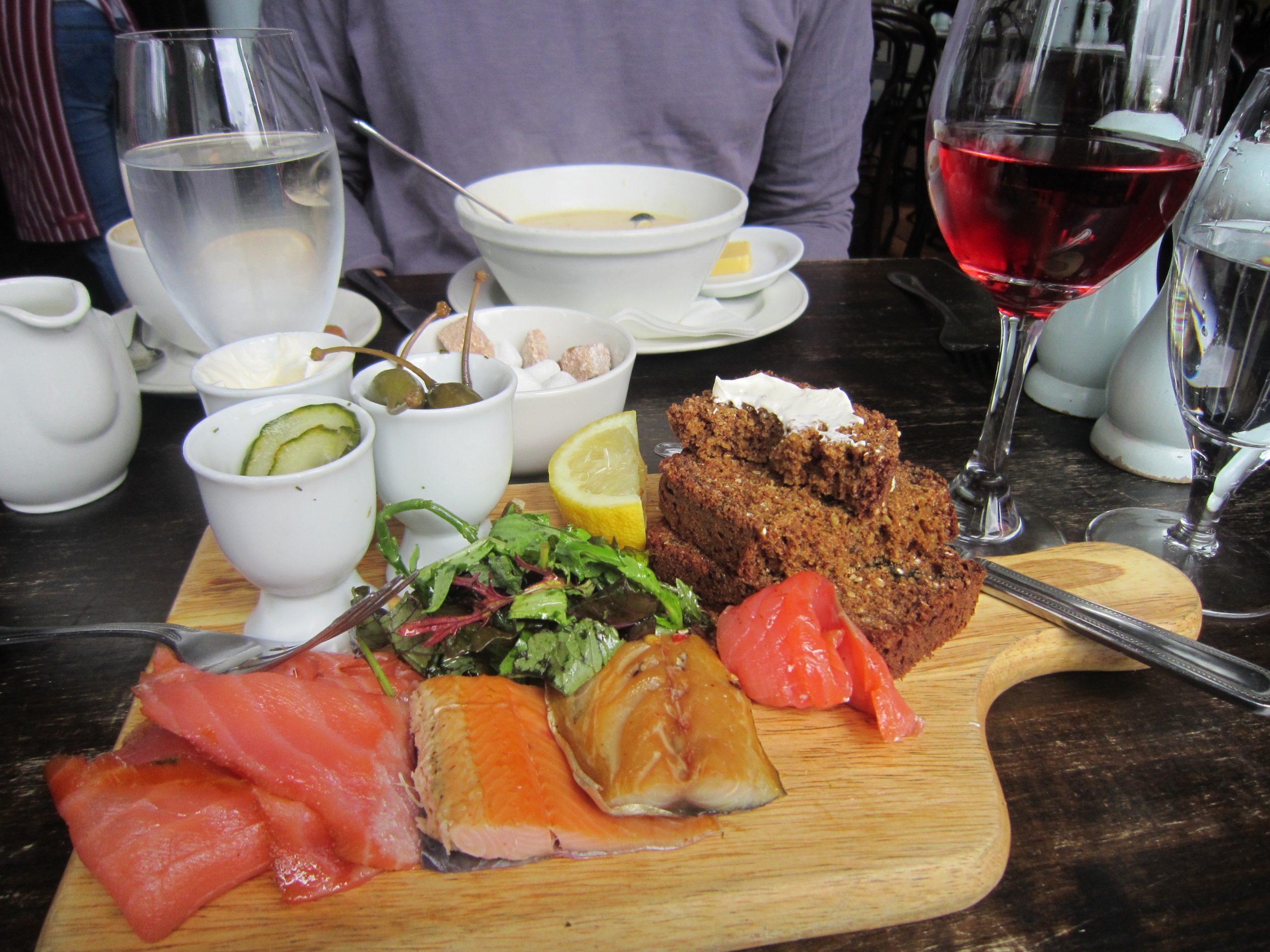
Since the transition from light to bold is a spectrum, some combinations from adjacent zones can be quite creative and genuinely pleasant. For instance, a deep amber oak-aged Chardonnay can replace a medium-bodied Merlot. Again, there is no “right” or “wrong” in the world of hospitality, the taste really depends on your preferences and even external factors during your dining experience.
Need help choosing a bottle for a special menu? Don’t leave your pairing to chance. Contact the Soul Wine team today for a personalized recommendation tailored to your specific palate and occasion.
