
The Art of the Pour: Discovering Red Wine
ngày 12/05/2026 | 16:19 GMT + 7
What is red wine? How is it made? And how do you actually get the most out of a bottle?
These are the questions we often hear from guests looking to elevate their tasting experience. Let’s get into how red wine gets its well-structured flavor and how to bring out all of its flavors.
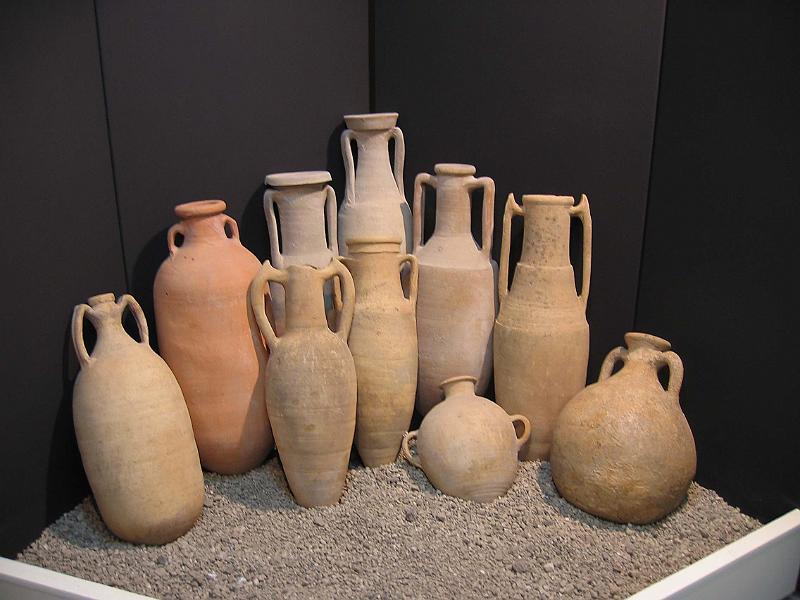
Legend has it that red wine was discovered by accident thousands of years ago. By the Greco-Roman period, it had become the drink of the people, largely because the process felt like magic. All it took was crushing grapes into a vessel and letting nature take its course.
1. The Skin in the Game
Some of the most famous grapes to make red wine today are Cabernet Sauvignon, Merlot, and Pinot Noir, with their skin left whole during the wine-making process. This gives us that deep ruby color, but more importantly, it provides tannins (click here to explore what tannins are), the thing that grips your tongue and gums while drying them out.
2. The Flavor Map: A Red Wine Guide
In red wine, the flavor profile depends on the variety of the grapes. It evolves seamlessly from the garden to the forest:
Dark Fruit: Think blackberry, black cherry, or plum.
Earth & Spice: Hints of black pepper, tobacco, cloves or even leather.
Oak & Savory: Notes of chocolate, vanilla, or cedar from time spent in the barrel.
And the result is a velvety texture with a lingering finish of the tannins.
3. The Service Rituals
3.1. Kill the “Room Temp” Myth
Modern rooms are too warm. Red wine shows its best at 16 – 18°C. If it’s too warm, the alcohol takes over and the flavors feel “muddy.” A slight chill keeps the fruit sharp and the tannins balanced.
3.2. Give it Room to Breathe
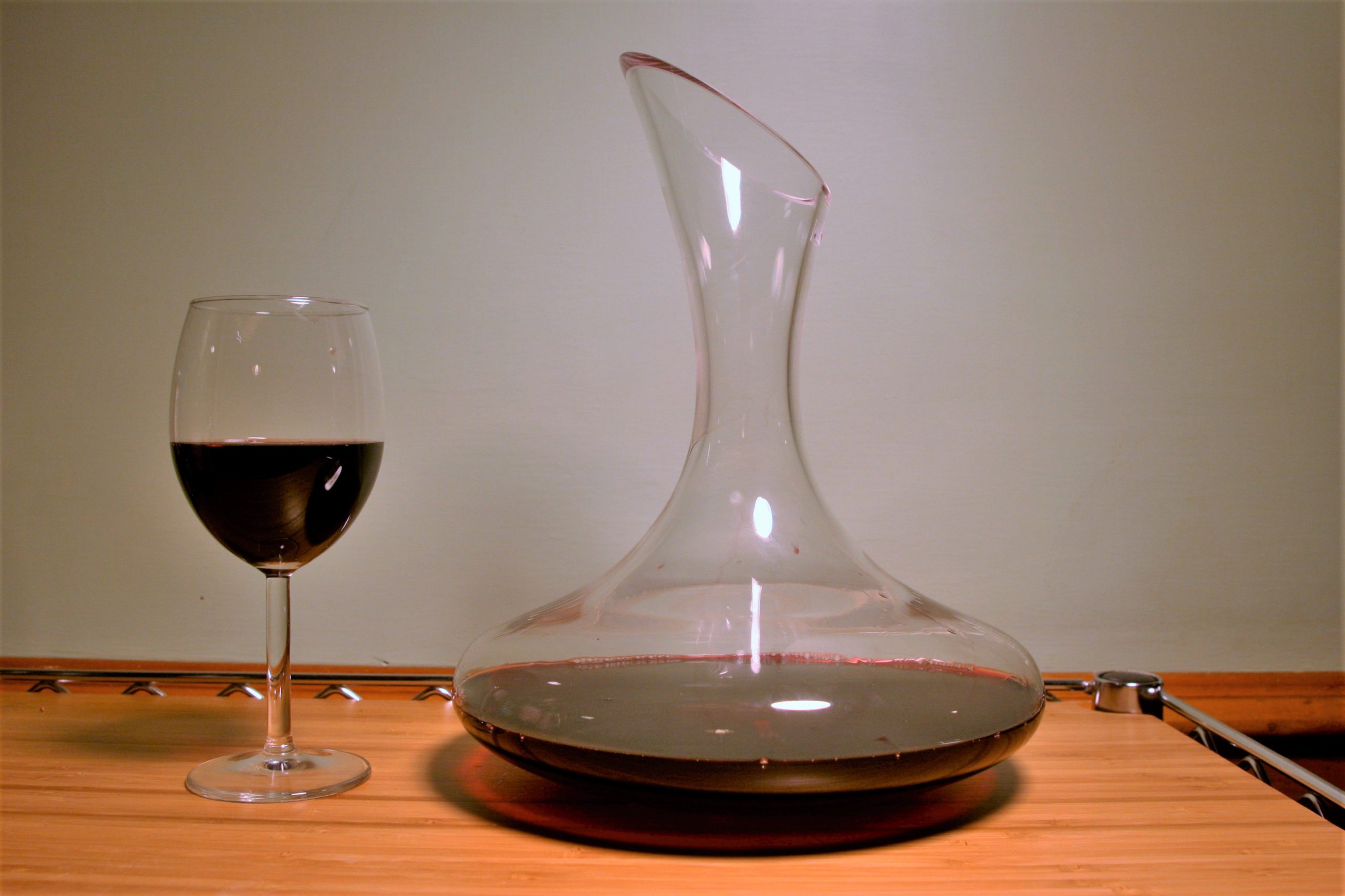
Red wine needs space. We use glasses with a large, wide bowl to increase the surface area. This allows oxygen to soften the tannins and release those heavier, complex aromas that stay “trapped” in a small glass.
3.3. The Swirl
It’s not just for show. A generous swirl introduces oxygen, “opening up” the wine and unlocking some surprising flavors.
At Soul Wine, we believe that these discoveries make every bottle an exploration, rather than just aimless rituals. Pour with purpose. Drink with passion. Find your Soul Wine today!
